
The term maggot therapy can initially sound surprising.
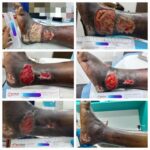
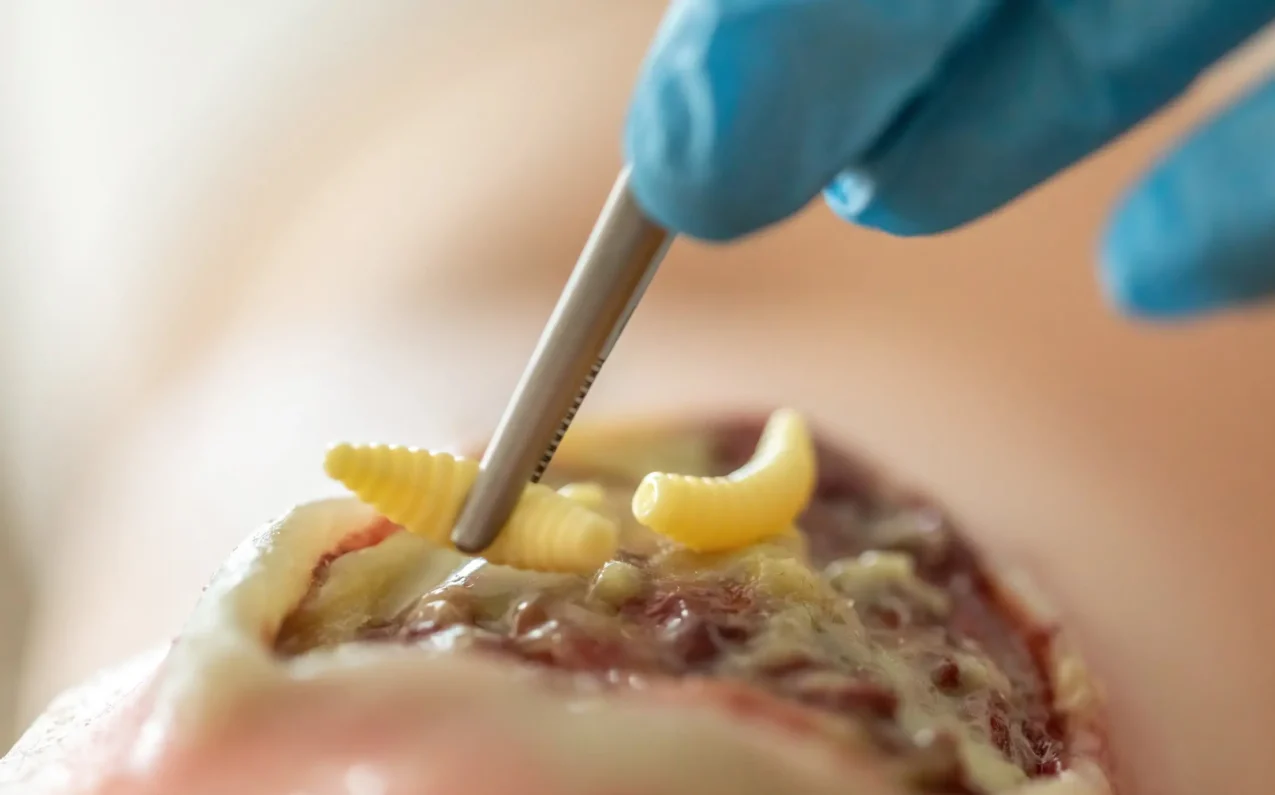
But in modern wound care, maggot biotherapy—also known as larval therapy or maggot debridement therapy—uses specially produced medical-grade larvae under controlled clinical conditions for selected wounds.
It is very different from accidental infestation of a wound.
What Is Maggot Biotherapy?
In appropriate cases, medical larvae are applied to a wound using a controlled dressing system.
Their primary clinical role is associated with debridement—the removal of devitalised or dead tissue from the wound environment.
Debridement can be an important component of wound-bed preparation, depending on wound type and clinical circumstances.
Is It Used for Every Wound?
No.
Maggot biotherapy is not a universal treatment for all wounds.
The wound, patient, circulation, infection status and overall treatment objectives need appropriate clinical assessment.
The decision to use any debridement method should be made by trained healthcare professionals.
Why MediAsia Includes Biotherapy in Its Wound-Care Story
For MediAsia, maggot biotherapy represents something broader:
being willing to combine established wound-care principles with appropriate specialised approaches when a patient’s wound requires a different strategy.
The objective is not to promote a treatment because it is unusual.
The objective is to select the right approach for the right wound and the right patient.
That philosophy has been part of MediAsia’s wound-care journey since its establishment in 2012.
What Patients Should Know
If you have a chronic or non-healing wound, do not assume that a specialised therapy is automatically the solution.
A proper wound assessment should come first.
The underlying cause—such as diabetes, pressure, circulation, infection or other health factors—may be just as important as what is visible on the wound surface.