
Diabetic Foot Ulcer Treatment
Helping You Heal, Protect Your Feet, and Prevent Complications
Diabetic foot ulcers are one of the most common and serious complications of diabetes. If left untreated, they can lead to severe infections, hospitalization, and even amputation. At MediAsia Advance Wound Dressing & Tissue Repair Center, we provide specialized diabetic foot ulcer treatment focused on wound healing, infection control, pressure relief, and limb preservation to help patients regain mobility and improve their quality of life.

Key Aspects of Diabetic Foot Ulcer Treatment
Diabetic foot ulcers require early diagnosis and expert management to prevent complications. Our multidisciplinary approach combines advanced wound care, diabetic foot assessment, pressure management, and patient education to promote healing and reduce the risk of recurrence.
Comprehensive Wound Assessment
Every ulcer is carefully evaluated to determine its severity, underlying causes, circulation status, and infection risk before creating a personalized treatment plan.
Infection Prevention & Control
Prompt identification and treatment of infections help reduce complications and improve healing outcomes.
Pressure Offloading
Reducing pressure on the affected area is essential for healing. We provide guidance on footwear, insoles, and offloading techniques.
Limb Preservation Focus
Our goal is to heal wounds early and prevent avoidable amputations through evidence-based diabetic foot care.
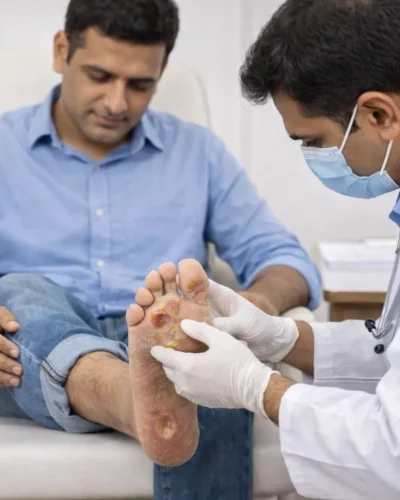
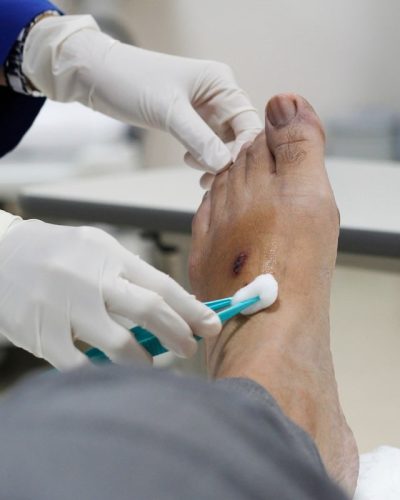
Early Treatment Can Save Your Limb
Diabetic foot ulcers develop due to a combination of poor circulation, nerve damage, and prolonged pressure on the feet. Because many diabetic patients experience reduced sensation, wounds may go unnoticed until complications occur.
At MediAsia, we emphasize early intervention and specialized wound care to improve healing rates and reduce the risk of infection. Our treatment plans may include advanced wound dressing techniques, infection management, pressure offloading, diabetic foot assessment, and ongoing monitoring throughout the healing process.
Patients with diabetes should seek professional evaluation immediately if they notice redness, swelling, drainage, skin breakdown, unusual odor, or any non-healing wound on the foot. Early treatment significantly improves outcomes and helps preserve mobility and independence.
A diabetic foot ulcer usually appears as an open wound or sore on the foot that does not heal properly. Signs may include redness, swelling, drainage, discoloration, or infection.
Yes. With early diagnosis, proper wound care, infection control, and pressure management, many diabetic foot ulcers can heal successfully.
You should seek medical attention immediately if you notice any wound, blister, cut, or skin breakdown on your feet that is not improving.
Many diabetic foot ulcers can be prevented through regular foot inspections, proper footwear, blood sugar management, and routine diabetic foot assessments.