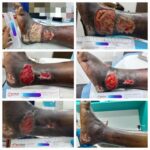


What Is a Diabetic Foot Ulcer?
A diabetic foot ulcer (DFU) is an open wound or sore that develops on the foot of a person living with diabetes. These wounds commonly occur in areas exposed to repeated pressure and may become difficult to heal when factors such as diabetic neuropathy, poor circulation, infection, pressure and underlying health conditions are present.
Diabetes can damage nerves and blood vessels over time. When sensation in the feet is reduced, a person may not notice a small cut, blister or pressure injury. What initially appears minor can gradually develop into a more serious wound.
The World Health Organization identifies foot ulcers and lower-limb amputation among the important complications associated with diabetes.
Why Are People With Diabetes at Greater Risk?
Several problems can occur simultaneously.
Diabetic neuropathy may reduce the ability to feel pain, heat or injury.
Poor blood circulation can affect the delivery of oxygen and nutrients required for healing.
Repeated pressure from walking or inappropriate footwear can continuously traumatise vulnerable tissue.
Infection can complicate an existing wound and may spread if not identified and managed appropriately.
The CDC notes that diabetes-related nerve damage can make it difficult for patients to notice cuts, blisters and sores early, allowing seemingly small problems to become more serious.
Warning Signs You Should Never Ignore
People living with diabetes should regularly inspect their feet and seek professional assessment for concerning changes such as:
- A cut, blister or wound that is not healing
- Redness, warmth or swelling
- Drainage or an unusual smell from a wound
- Changes in skin colour
- Callus formation over a pressure area
- Increasing swelling of the foot
- Black or discoloured tissue
- A new foot deformity or change in shape
Importantly, absence of pain does not necessarily mean the foot is healthy. Neuropathy may reduce pain sensation.
How Is a Diabetic Foot Ulcer Treated?
There is no single treatment suitable for every diabetic foot ulcer.
A comprehensive assessment may consider the wound itself as well as infection, circulation, pressure, neuropathy, foot structure and the patient’s overall health.
Depending on clinical findings, management may include wound assessment and appropriate dressings, debridement when indicated, infection management, pressure offloading, vascular assessment, glucose management and multidisciplinary care.
International diabetic-foot guidelines address these interconnected areas through dedicated guidance on prevention, infection, peripheral artery disease, offloading and wound-healing interventions.
Why Limb Preservation Starts Early
A diabetic foot problem should not be treated as “just a wound.”
Early identification of risk factors and timely specialist care can provide more opportunities to address problems before they progress.
The objective is not simply to close the visible wound.
It is to work towards:
healing the wound, addressing contributing causes, protecting the foot, maintaining mobility and reducing the risk of recurrence and major complications.
At MediAsia, this philosophy forms an important part of our approach to diabetic foot and complex wound management.
We Dress the Wound, God Heals It.
Authoritative resources: WHO — Diabetes and its complications · IWGDF — International diabetic foot guidelines · CDC — Diabetes and foot health